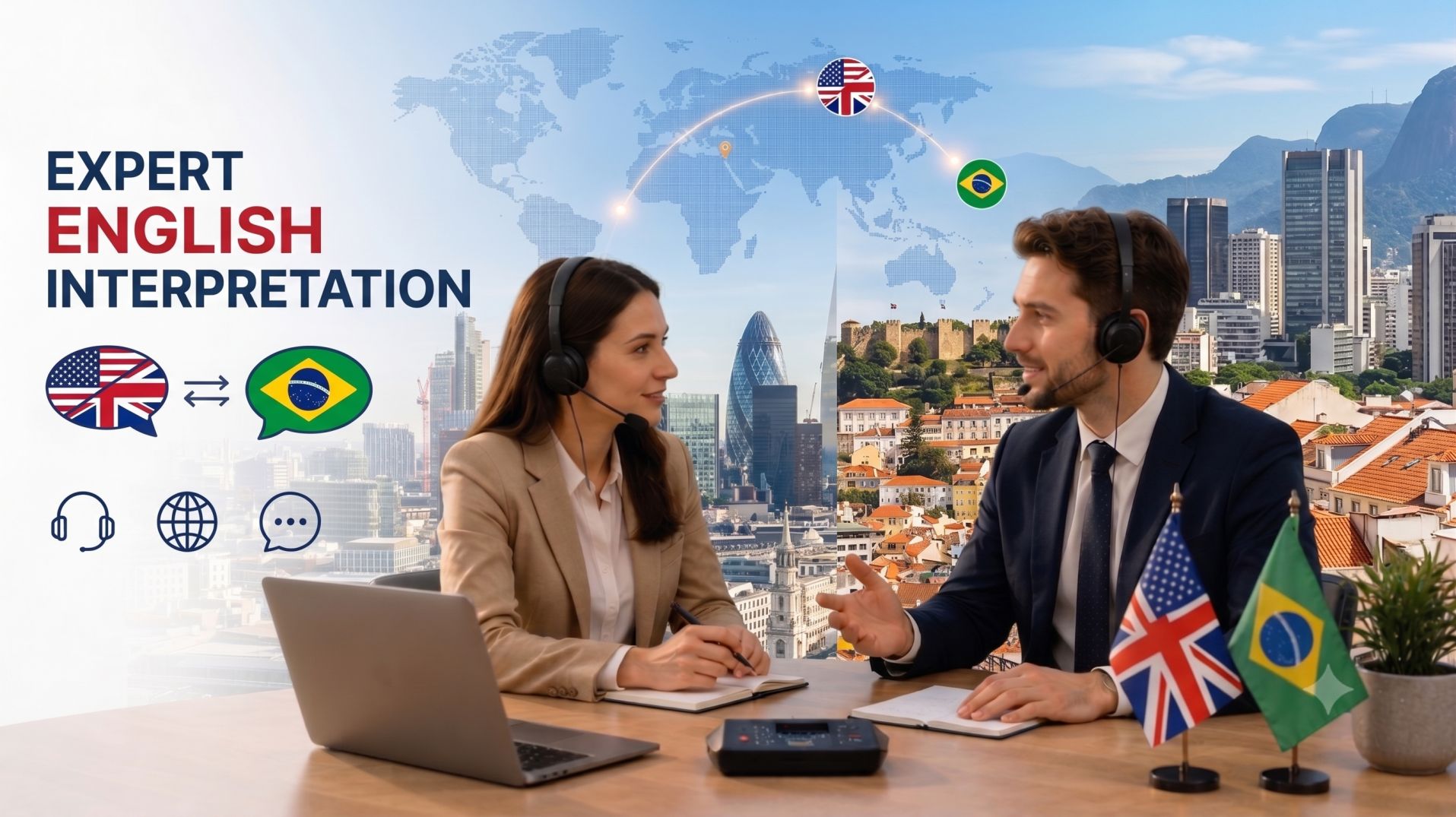

Hiring a professional Portuguese interpreter in New Orleans establishes a strategic pillar for organizations and individuals navigating complex corporate, legal, or medical environments that demand absolute technical precision. The vibrant economic tapestry of New Orleans, a city renowned for its unique cultural fusion and burgeoning international trade connections, necessitates seamless communication for its diverse populace and business interests. For businesses operating in or engaging with Portuguese-speaking markets, whether through direct investment, international partnerships, or serving a growing demographic, securing a skilled Portuguese interpreter is not merely a convenience but a critical operational imperative. This is particularly true in sectors where misunderstandings can lead to significant financial losses, legal repercussions, or compromised patient care. The presence of a Portuguese interpreter in New Orleans ensures that these vital interactions are conducted with clarity, accuracy, and cultural sensitivity, fostering trust and facilitating successful outcomes across all professional spheres.
Portuguese translator in New Orleans: Understanding the Differences in the Corporate and Institutional Environment
In the professional realm, the terms ‘translator’ and ‘interpreter’ are often used interchangeably by those unfamiliar with the nuances of linguistic services, yet they represent distinct and specialized skill sets. A Portuguese translator in New Orleans primarily works with written documents. This involves converting texts such as legal contracts, financial reports, technical manuals, marketing collateral, and medical records from Portuguese to English or vice versa. The translator’s role demands meticulous attention to detail, a deep understanding of subject-specific terminology, and the ability to convey meaning accurately in written form, often requiring extensive research and proofreading to ensure fidelity to the source material. Conversely, a Portuguese interpreter facilitates real-time, spoken communication. This is essential for live interactions like business meetings, conferences, court proceedings, medical consultations, and negotiations. The interpreter must possess not only linguistic fluency but also the cognitive agility to process spoken language, translate it instantaneously, and deliver it coherently to the intended audience, all while maintaining the speaker’s tone and intent. While both professions are vital for bridging language barriers, the specific demands of translation versus interpretation mean that different professionals are suited to different tasks, though many possess skills in both areas. Corporate buyers and individuals in New Orleans often require both services, underscoring the need for a comprehensive understanding of which service best fits their specific communication needs.
Critical Verticals: Legal Defense, Immigration, and Courtroom Interpretation
Within New Orleans’s intricate legal landscape, the role of a certified Portuguese interpreter is paramount. The justice system, whether civil or criminal, relies on clear and accurate communication to ensure fairness and uphold the rights of all individuals involved. For Portuguese-speaking individuals navigating the complexities of the U.S. legal system, whether as defendants, plaintiffs, witnesses, or parties in civil litigation, the presence of a qualified interpreter is non-negotiable. This service is critical during every stage of legal proceedings, including initial police interviews, arraignments, depositions, preliminary hearings, and full courtroom trials. In immigration law, specifically, USCIS interviews and asylum hearings demand absolute precision. A professional interpreter ensures that immigration officials fully understand the applicant’s testimony and that the applicant comprehends the questions and legal implications. Furthermore, attorney-client consultations require a high degree of trust and confidentiality, which is best achieved when communication is facilitated by a skilled interpreter who can accurately convey legal advice and client concerns. Failure to provide adequate interpretation can lead to miscarriages of justice, wrongful convictions, or the denial of legitimate claims. Therefore, engaging a professional Portuguese interpreter in New Orleans is a fundamental requirement for ensuring due process and equitable treatment within the legal framework.
Healthcare and Hospitalization: Ensuring Patient Safety and Medical Accuracy
In the demanding environment of New Orleans’s healthcare facilities, the need for expert medical interpretation cannot be overstated. Patient safety and the efficacy of medical treatment hinge on the precise communication of complex medical information between healthcare providers and patients who speak Portuguese. Medical interpreters play a crucial role in hospitals, clinics, and private practices, facilitating understanding during critical moments such as initial patient intake, diagnostic consultations, explanations of treatment plans, surgical procedures, and the informed consent process. Medical terminology is often highly technical and nuanced; a professional interpreter ensures that these terms are accurately conveyed, preventing potentially life-threatening misunderstandings. Beyond immediate care, interpreters are vital for managing chronic conditions, explaining medication regimens, and discussing sensitive health issues. Compliance with regulations such as HIPAA (Health Insurance Portability and Accountability Act) also mandates that patient information is kept confidential, a principle that professional interpreters rigorously uphold. By bridging the language gap, medical interpreters empower patients to make informed decisions about their health, enhance patient satisfaction, improve health outcomes, and ensure that healthcare providers can deliver the highest standard of care to all members of the New Orleans community, regardless of their primary language.
Technical Interpretation Modalities for Global Business and Premium Tourism
Selecting the ideal linguistic approach depends directly on the dynamic and format of the assignment in New Orleans. The professional interpreter assists clients in defining the most efficient format according to the following market modalities:
- Simultaneous Interpretation: Real-time translation delivered via soundproof booths, headsets, and transmitters. This is the gold-standard modality recommended for large-scale corporate congresses, industrial trade shows, or international business seminars that drive the market in New Orleans.
- Consecutive Interpretation: The professional translates blocks of thought immediately after the speaker pauses. This technique is highly recommended for executive board meetings, sensitive legal depositions, attorney consultations, and crucial medical briefings in the New Orleans region.
- Liaison / Escort Interpretation: Personalized and dynamic accompaniment. It is the ideal format for high-end leisure and luxury tourism, technical site visits to factory floors, or guiding VIP delegations through New Orleans’s cultural and business landmarks where mobility is essential.
- Remote and Hybrid Interpretation: Flexible solutions via encrypted virtual platforms. It allows legal teams, healthcare providers, and local companies in New Orleans to instantly connect with global partners or non-English speaking patients/clients with total operational agility.
Economic and Social Fabric of New Orleans and the Need for Portuguese Interpretation
1. Main Local Industrial/Corporate Sector
New Orleans boasts a diverse industrial and corporate base, with key sectors including energy (oil and gas), maritime and logistics, advanced manufacturing, and a growing technology and digital media presence. International trade is a significant driver, facilitated by the Port of New Orleans, one of the busiest ports in the United States. Companies involved in these sectors often engage in international partnerships, import/export activities, and collaborations with global suppliers or clients. For businesses operating in or interacting with Portuguese-speaking countries, particularly Brazil, a major economic power, the need for precise communication is critical. This includes:
- Facilitating negotiations for supply chain contracts and joint ventures.
- Translating technical specifications for manufacturing equipment and processes.
- Interpreting during site visits and factory tours for international delegations.
- Ensuring clear communication during investor relations meetings and corporate presentations.
- Supporting human resources in onboarding international employees or managing diverse workforces.
A professional Portuguese interpreter ensures that these high-stakes business interactions are conducted smoothly, fostering strong international business relationships and contributing to the economic vitality of New Orleans.
2. Premium Tourism and Hospitality
New Orleans is a world-renowned tourist destination, attracting millions of visitors annually with its unique culture, music, cuisine, and historic charm. The premium tourism and hospitality sector thrives on providing exceptional experiences, and this extends to catering to international guests. Portuguese-speaking tourists, particularly from Brazil, represent a significant and growing market segment. To cater effectively to these visitors, businesses in the hospitality industry require linguistic support:
- Concierge services and hotel staff providing information and assistance in Portuguese.
- Tour operators guiding international visitors through historical sites and cultural attractions.
- Restaurants and culinary establishments communicating menus and special offerings.
- Event planners coordinating international conferences and festivals.
- Luxury retail outlets assisting high-net-worth Portuguese-speaking clientele.
Employing or contracting Portuguese interpreters enhances the guest experience, builds brand loyalty, and positions New Orleans as a welcoming and accessible destination for a global audience, thereby boosting the local tourism economy.
3. Legal & Judicial Infrastructure
New Orleans’s legal system, encompassing state and federal courts, administrative bodies, and a robust private practice, serves a diverse population. The city’s historical ties and ongoing international connections mean that legal professionals frequently encounter individuals who require Portuguese interpretation. This is essential for ensuring access to justice and upholding legal rights:
- Court interpreters facilitating proceedings in criminal and civil cases.
- Immigration lawyers conducting client interviews and preparing for asylum hearings.
- Attorneys providing counsel and representation in family law, personal injury, and business disputes.
- Notaries and legal document preparers assisting with contracts and affidavits.
- Law enforcement agencies conducting interviews and gathering statements.
The accuracy and impartiality of a Portuguese interpreter are critical in these settings to prevent miscommunication that could have severe legal consequences, ensuring that justice is administered fairly for all.
4. Healthcare Systems & Local Hospital Networks
New Orleans is served by a comprehensive network of healthcare providers, including major hospital systems, specialized clinics, and public health services. With a diverse population, including residents and visitors who speak Portuguese, effective communication is vital for patient care and public health initiatives. Professional interpretation is indispensable in various healthcare contexts:
- Hospitals providing emergency care, diagnostic services, and surgical procedures.
- Primary care physicians conducting routine check-ups and managing chronic conditions.
- Specialty clinics offering advanced medical treatments.
- Mental health professionals providing counseling and therapy.
- Public health organizations conducting outreach and educational programs.
Accurate medical interpretation ensures that patients understand their conditions and treatment options, leading to better health outcomes, improved patient satisfaction, and compliance with healthcare regulations. It is a cornerstone of equitable healthcare delivery in New Orleans.
Logistics and Local Infrastructure: Optimizing Communication in New Orleans
New Orleans’s strategic location and robust infrastructure provide a solid foundation for businesses and organizations. Key logistical assets include the Louis Armstrong New Orleans International Airport (MSY), a major hub for domestic and international travel, facilitating the arrival of Portuguese-speaking business travelers, tourists, and delegates. The Port of New Orleans, a critical gateway for global trade, supports extensive maritime operations and logistics networks. Major business districts, such as the Central Business District and the Warehouse District, house numerous corporate offices and international firms. The city’s legal infrastructure is centered around the Orleans Parish Courthouse and federal courthouses, where certified interpreters are essential. Prominent hospitals and healthcare networks, including Ochsner Health and Tulane Medical Center, serve a diverse patient population. Universities like Tulane University and Loyola University New Orleans attract international students and researchers, further increasing the need for linguistic services. Deploying local, professional Portuguese interpreters leverages this infrastructure by ensuring that communication flows seamlessly across these vital points, from airport arrivals and port operations to boardroom meetings, hospital visits, and academic collaborations. This local presence optimizes operational efficiency, reduces logistical hurdles, and enhances the overall experience for Portuguese-speaking stakeholders interacting with New Orleans.
Frequently Asked Questions – FAQ
1. Are the interpreters certified for court and medical environments?
Professional interpreters serving in legal and medical settings in New Orleans typically hold specific certifications that validate their expertise and adherence to industry standards. For court interpretation, certifications are often granted by federal or state judicial bodies, ensuring proficiency in legal terminology and courtroom procedures. In the medical field, while formal certification may vary, interpreters often possess credentials from recognized organizations and are trained in medical terminology, ethics, and HIPAA compliance. It is crucial for clients to verify the specific qualifications and certifications of any interpreter engaged for sensitive legal or medical matters to ensure accuracy, confidentiality, and adherence to regulatory requirements.
2. How does the pre-assignment briefing work for technical or medical cases?
A pre-assignment briefing is a critical step in ensuring the success of specialized interpretation assignments. For technical or medical cases, this briefing typically involves a consultation between the interpreter and the client or a designated representative. The interpreter will review relevant documents, glossaries, or background information pertaining to the subject matter. This allows the interpreter to familiarize themselves with specific terminology, industry jargon, and the context of the communication. For medical cases, this might include understanding the patient’s condition or the procedure being discussed. For technical cases, it could involve learning about the machinery or process being explained. This preparatory phase ensures that the interpreter can provide highly accurate and contextually appropriate interpretations, minimizing the risk of errors and enhancing the overall effectiveness of the communication.
3. How do confidentiality protocols and NDAs protect sensitive legal and medical data?
Confidentiality is a cornerstone of professional interpretation services, especially in legal and medical contexts. Professional interpreters are bound by strict ethical codes that mandate the protection of sensitive information. Furthermore, Non-Disclosure Agreements (NDAs) are standard practice, providing a legal framework for confidentiality. When working with legal or medical data, interpreters adhere to these protocols to ensure that client information, patient records, case details, and proprietary business data remain private and are not disclosed to unauthorized third parties. This commitment to confidentiality builds trust and ensures that clients can engage with interpretation services without fear of compromising sensitive information, which is particularly vital in high-stakes legal proceedings and personal medical consultations.
Conclusion
In conclusion, securing a professional Portuguese interpreter in New Orleans is an indispensable strategy for navigating the city’s dynamic economic, legal, and healthcare landscapes. Whether facilitating international business deals, ensuring fair legal proceedings, providing critical medical care, or enhancing the premium tourism experience, precise linguistic mediation is key to success. By understanding the distinct needs for translation and interpretation, and by engaging qualified professionals, organizations and individuals can overcome language barriers, foster stronger relationships, and achieve their objectives with confidence. Take the next step to ensure your communication is flawless.