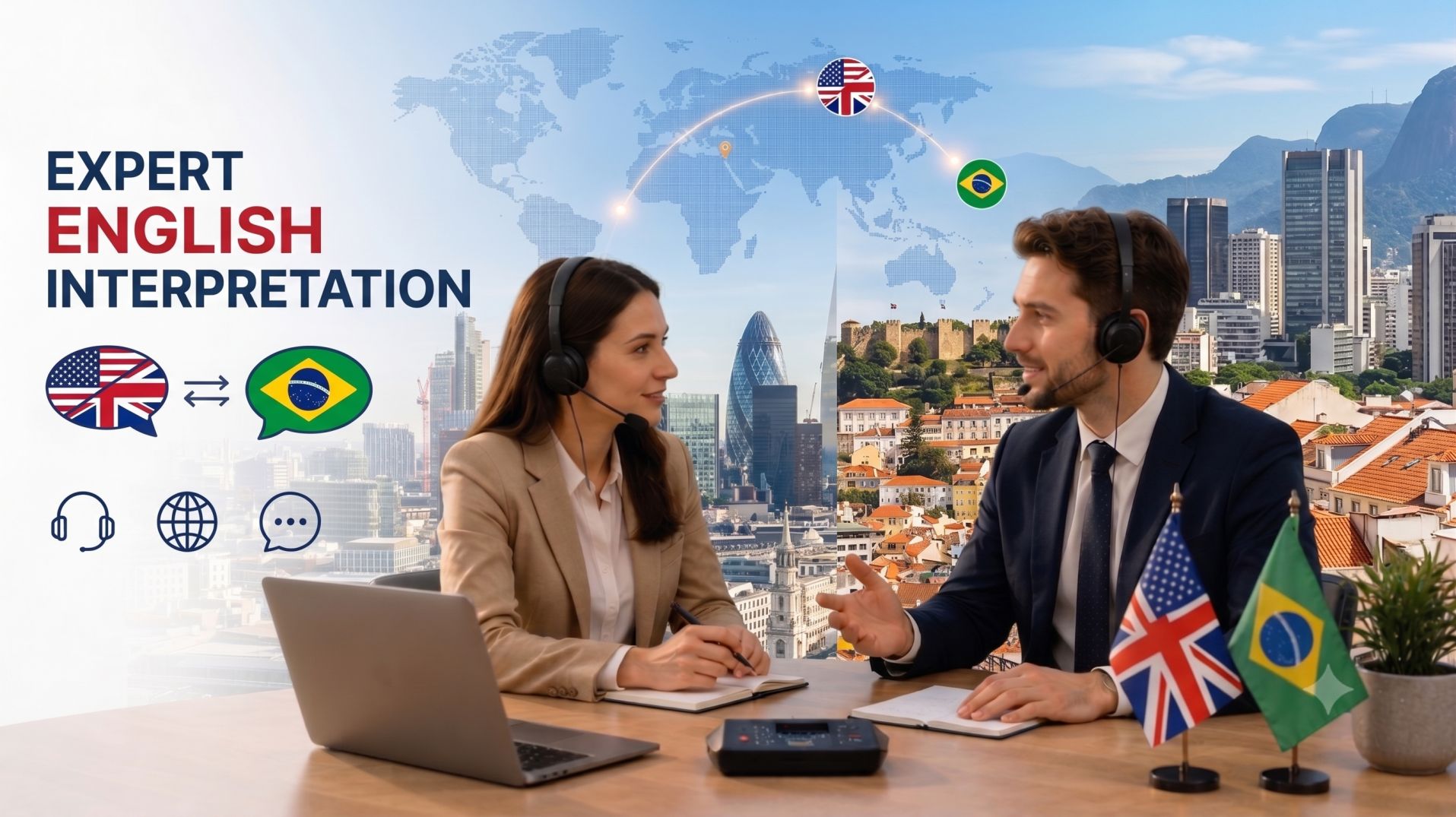

Hiring a professional Portuguese interpreter in Providence establishes a strategic pillar for organizations and individuals navigating complex corporate, legal, or medical environments that demand absolute technical precision. The vibrant economic landscape of Providence, a city rich in history and burgeoning with diverse industries, necessitates seamless communication for its Portuguese-speaking population and international business dealings. Whether engaging with local government bodies, participating in high-stakes business negotiations, or seeking critical medical care, the availability of a skilled Portuguese interpreter is not merely a convenience but an essential requirement for equitable access and operational success. This guide delves into the indispensable role of professional interpretation services, specifically tailored to the unique demands of Providence’s commercial, legal, and public healthcare sectors, ensuring that language barriers are dismantled, fostering trust, clarity, and robust relationships within the community and beyond.
Portuguese translator in Providence: Understanding the Differences in the Corporate and Institutional Environment
In the professional realm, the distinction between translation and interpretation is paramount, though often conflated by those seeking linguistic services. A Portuguese translator in Providence meticulously works with written documents, converting legal contracts, technical manuals, marketing collateral, academic papers, and medical records from Portuguese to English or vice versa. This process requires deep immersion in written language, specialized terminology, and cultural nuances to ensure the fidelity and accuracy of the source text in its target form. Conversely, a Portuguese interpreter facilitates real-time, spoken communication. This oral mediation is critical in live settings such as business meetings, international conferences, court proceedings, doctor-patient consultations, and community forums. While both professions demand exceptional linguistic proficiency and cultural understanding, interpretation requires an additional layer of cognitive agility, rapid processing, and the ability to convey meaning instantaneously and accurately under pressure. For corporate buyers and institutional leaders in Providence, understanding this difference is key to selecting the right professional for their specific needs, ensuring that whether it’s a written report or a live negotiation, the communication is handled with the utmost expertise.
Critical Verticals: Legal Defense, Immigration, and Courtroom Interpretation
The legal landscape in Providence, like in any major urban center, is intricate and demands absolute clarity. For individuals and entities involved in legal proceedings, the presence of a certified Portuguese interpreter is non-negotiable. Professional interpreters are crucial for ensuring due process and upholding civil rights for Portuguese speakers within the American judicial system. This includes facilitating precise communication during critical stages such as initial police interviews, attorney-client consultations where trust and full disclosure are vital, depositions, preliminary hearings, and full courtroom trials. In immigration matters, particularly those involving the U.S. Citizenship and Immigration Services (USCIS), accurate interpretation during interviews and the submission of translated documents is essential for successful applications and appeals. A skilled interpreter ensures that legal terminology is correctly understood, that testimony is accurately recorded, and that all parties, including judges, lawyers, defendants, and witnesses, have a complete and unadulterated understanding of the proceedings, thereby mitigating the risk of misinterpretations that could have profound legal consequences. The commitment to providing a qualified Portuguese interpreter in Providence underscores a dedication to justice and accessibility for all.
Healthcare and Hospitalization: Ensuring Patient Safety and Medical Accuracy
Within Providence’s diverse healthcare ecosystem, encompassing major hospitals and numerous clinics, the role of a medical Portuguese interpreter is a matter of life and safety. Medical interpretation is a specialized field that requires not only linguistic fluency but also a profound understanding of complex medical terminology, procedures, and the sensitive nature of patient care. When a Portuguese-speaking patient is undergoing diagnosis, discussing treatment options, consenting to surgery, or experiencing an emergency, clear communication with healthcare providers is paramount. A professional medical interpreter bridges the communication gap, ensuring that doctors can accurately explain conditions, risks, and benefits, and that patients can articulate their symptoms, concerns, and medical history without omission or misunderstanding. This is critical for informed consent, adherence to treatment plans, and overall patient well-being. Furthermore, compliance with regulations like HIPAA (Health Insurance Portability and Accountability Act) necessitates that all patient information is handled with the strictest confidentiality, a standard that professional medical interpreters are trained to uphold. Ensuring access to a qualified Portuguese interpreter in Providence’s healthcare facilities is a fundamental aspect of equitable and effective medical treatment.
Technical Interpretation Modalities for Global Business and Premium Tourism
Selecting the ideal linguistic approach depends directly on the dynamic and format of the assignment in Providence. The professional interpreter assists clients in defining the most efficient format according to the following market modalities:
- Simultaneous Interpretation: Real-time translation delivered via soundproof booths, headsets, and transmitters. This is the gold-standard modality recommended for large-scale corporate congresses, industrial trade shows, or international business seminars that drive the market in Providence.
- Consecutive Interpretation: The professional translates blocks of thought immediately after the speaker pauses. This technique is highly recommended for executive board meetings, sensitive legal depositions, attorney consultations, and crucial medical briefings in the Providence region.
- Liaison / Escort Interpretation: Personalized and dynamic accompaniment. It is the ideal format for high-end leisure and luxury tourism, technical site visits to factory floors, or guiding VIP delegations through Providence’s cultural and business landmarks where mobility is essential.
- Remote and Hybrid Interpretation: Flexible solutions via encrypted virtual platforms. It allows legal teams, healthcare providers, and local companies in Providence to instantly connect with global partners or non-English speaking patients/clients with total operational agility.
Economic and Social Fabric of Providence and the Need for Portuguese Interpretation
1. Main Local Industrial/Corporate Sector
Providence boasts a dynamic economy with key sectors including advanced healthcare, education, technology, and advanced manufacturing. Companies operating in these fields, particularly those with international ties or serving a diverse local clientele, frequently encounter the need for precise communication with Portuguese-speaking partners, employees, or customers. For instance, a technology firm developing innovative software might engage with Portuguese developers or seek to market its products in Portuguese-speaking countries. Similarly, advanced manufacturing plants often rely on international supply chains and may have a workforce that includes Portuguese speakers. In these contexts, a professional Portuguese interpreter in Providence is vital for ensuring that technical specifications are accurately conveyed, contractual agreements are clearly understood, and collaborative projects proceed without linguistic impediments. This facilitates smoother operations, reduces errors, and fosters stronger business relationships, contributing directly to the economic vitality of the region.
2. Premium Tourism and Hospitality
Providence is a destination that attracts visitors for its rich history, vibrant arts scene, and culinary offerings. The premium tourism and hospitality sector thrives on providing exceptional experiences, and for Portuguese-speaking tourists, this includes seamless communication. High-end hotels, bespoke tour operators, and cultural institutions often require the services of interpreters to cater to discerning international clientele. Whether it’s a guided tour of historic Benefit Street, a fine dining experience, or a business delegation visiting the city, a liaison interpreter can ensure that visitors feel welcomed and understood. This enhances their overall experience, encourages repeat business, and bolsters Providence’s reputation as a globally welcoming city. The ability to offer services in Portuguese, facilitated by professional interpreters, opens up new markets and elevates the standard of service provided by local businesses.
3. Legal & Judicial Infrastructure
Providence’s legal and judicial infrastructure serves a diverse population, including a significant Portuguese-speaking community. The Rhode Island court system, local law enforcement agencies, and immigration services offices frequently interact with individuals who require language assistance. Access to justice is a fundamental right, and for Portuguese speakers, this means having qualified interpreters present during all legal proceedings. This includes everything from traffic violations and family court matters to complex civil litigation and criminal defense. Immigration attorneys and their clients rely heavily on interpreters for consultations, asylum hearings, and visa applications. The Providence Bar Association and local legal aid societies often highlight the need for accessible legal services, underscoring the critical role that professional Portuguese interpreters play in ensuring fairness, transparency, and equal access to the legal system for all residents.
4. Healthcare Systems & Local Hospital Networks
The healthcare systems in Providence, including major institutions like Rhode Island Hospital and The Miriam Hospital, serve a broad spectrum of patients. For Portuguese-speaking individuals, navigating the healthcare system can be challenging without adequate language support. Medical interpreters are essential for ensuring that patients understand their diagnoses, treatment plans, medication instructions, and discharge procedures. This is crucial for patient safety, effective treatment outcomes, and patient satisfaction. Hospitals and clinics that proactively engage professional Portuguese interpreters demonstrate a commitment to culturally competent care and patient-centered services. This not only improves health equity but also helps healthcare providers meet regulatory requirements and build stronger relationships with the Portuguese-speaking community, fostering trust and improving overall public health in Providence.
Logistics and Local Infrastructure: Optimizing Communication in Providence
Providence’s well-developed infrastructure plays a key role in facilitating the deployment of professional interpretation services. The city’s central business districts, including the Financial District and the Innovation District, are easily accessible, making it convenient for interpreters to reach corporate clients for meetings and conferences. Proximity to major transportation hubs like Providence Station (for Amtrak and MBTA Commuter Rail) and Theodore Francis Green Memorial State Airport (PVD) ensures efficient travel for interpreters and clients alike, especially for international business engagements. Key legal centers, such as the Rhode Island Supreme Court and the U.S. District Court of Rhode Island, are located downtown, facilitating on-site interpretation for court proceedings. Similarly, major healthcare providers like Brown University’s Alpert Medical School-affiliated hospitals are strategically located, allowing for timely medical interpretation services. Leveraging local professional interpreters familiar with Providence’s geography and logistical nuances ensures that communication flows smoothly, whether for a business negotiation, a legal deposition, or a critical medical consultation, optimizing operational efficiency and enhancing the overall experience for all parties involved.
Frequently Asked Questions – FAQ
1. Are the interpreters certified for court and medical environments?
Yes, professional interpretation services prioritize the highest standards of qualification. For legal settings in Providence, interpreters are typically certified by recognized bodies such as the National Center for State Courts (NCSC) or the U.S. Courts. These certifications ensure they meet rigorous proficiency and ethical standards required for courtroom proceedings. For medical environments, interpreters adhere to HIPAA guidelines and often hold certifications from organizations like the Certification Commission for Healthcare Interpreters (CCHI) or the National Board of Certification for Medical Interpreters (NBCMI). These credentials guarantee their understanding of medical terminology, ethical protocols, and patient confidentiality, ensuring accurate and safe communication in healthcare settings.
2. How does the pre-assignment briefing work for technical or medical cases?
A thorough pre-assignment briefing is a cornerstone of high-quality interpretation, especially for specialized fields like technical or medical cases. Before the assignment, the interpreter will typically receive detailed information about the context, the subject matter, key terminology, and the expected participants. This may involve reviewing documents, glossaries, or agendas. For medical cases, this ensures familiarity with specific conditions, procedures, or medications. For technical or corporate settings, it allows the interpreter to prepare for industry-specific jargon and company-specific acronyms. This preparation ensures that the interpreter can provide the most accurate and contextually appropriate interpretation, minimizing misunderstandings and maximizing the effectiveness of the communication.
3. How do confidentiality protocols and NDAs protect sensitive legal and medical data?
Confidentiality is a paramount concern in both legal and medical interpretation. Professional interpreters are bound by strict ethical codes of conduct that mandate the protection of sensitive information. In addition to these ethical obligations, interpreters routinely sign Non-Disclosure Agreements (NDAs) with their clients. These legally binding documents ensure that any information shared during interpretation sessions remains confidential. For medical interpretation, compliance with HIPAA further reinforces these protections, ensuring that patient health information is never disclosed inappropriately. This rigorous approach to confidentiality builds trust and allows clients to engage in sensitive discussions with the assurance that their private legal and medical data is secure.
Conclusion
In conclusion, securing a professional Portuguese interpreter in Providence is an indispensable strategy for any organization or individual aiming for clarity, compliance, and success in the city’s diverse corporate, legal, and medical arenas. The nuanced demands of these sectors require linguistic expertise that goes beyond simple translation, encompassing real-time communication, cultural understanding, and specialized terminology. By prioritizing certified and experienced interpreters, businesses, legal professionals, and healthcare providers in Providence can effectively dismantle language barriers, foster stronger relationships, ensure equitable access to services, and ultimately achieve their objectives with confidence. Take the decisive step towards seamless communication and operational excellence by engaging with our expert Portuguese interpretation services today.