
Experts in Norwegian Interpretation in Brazil: Offshore Technology and the Energy Frontier
Norway is not only a long-standing investor in Brazil; it possesses the world’s most advanced know-how in complex offshore operations. Norwegian interpretation in Brazil is an engineering intelligence and regulatory compliance service, vital for the execution of multibillion-dollar projects in the Pre-Salt layer and the transition to renewable energy. In a market where Norway introduces cutting-edge technologies in FPSOs and support vessels, technical linguistic precision is the asset that enables operational safety and Technology Transfer (ToT).
Our expertise focuses on high-level mediation between Norwegian engineers, specialists, and executives and the key players in the Brazilian market, ensuring technical and legal alignment in full compliance with regulatory bodies such as the ANP, ANTAQ, the Brazilian Navy, and local content guidelines.
The Oil & Gas and Naval Engineering Axis (The Route from the North Sea to the Pre-Salt)
The development of Brazil’s Pre-Salt is inseparable from Norwegian technology. Giants like Equinor and FPSO operators such as BW Offshore use Norwegian as a strategic language in their engineering and offshore operations. They operate in all major shipyards and oil basins, such as the Campos Basin and the Santos Basin.
Subsea Engineering and FPSO Operations
FPSO Commissioning and Operation: Technical language support for the supervision of construction, commissioning, and maintenance of FPSO units, including process modules and mooring systems.
Subsea Technology (SURF): Technical and scientific interpretation during installation campaigns for umbilicals, risers, and flowlines (SURF), ensuring understanding of installation procedures and subsurface safety protocols.
Field Technical Inspections: Assisting Norwegian engineers in inspections of critical equipment, such as wet Christmas trees (XTs) and manifolds, in full compliance with ANP standards.
Specialized Shipbuilding and Class Surveys
Class Surveys (DNV): Language support for safety surveys and certifications conducted by DNV (Det Norske Veritas) auditors at shipyards and on vessels.
Offshore Support Vessels (OSV/PSV/AHTS): Technical mediation in the commissioning and operation of highly complex support vessels, often built or designed in Norway, ensuring operational compliance in cargo handling and dynamic maneuvers.
Renewables, Energy Transition, and Sustainability
Norway is a leader in the energy transition and is bringing this expertise to Brazil, with a focus on offshore wind and green hydrogen.
Offshore Wind Projects: Technical interpretation for Norwegian engineers in the supervision of feasibility studies and environmental licensing for offshore wind farms, connecting North Sea technologies to the Brazilian coast.
Green Hydrogen and Ammonia: Technical mediation in green hydrogen production projects, focusing on electrolysis and export logistics, in partnership with companies such as Yara.
Fisheries, Aquaculture, and Food Technology (The Cod and Salmon Axis)
Brazil is a major market for Norwegian seafood, and Norway is introducing cutting-edge aquaculture technologies to the country.
Logistics and Food Safety: Technical interpretation at regulatory meetings with MAPA (Ministry of Agriculture and Livestock), ensuring compliance with traceability and food safety standards for exports and imports.
Aquaculture Technology: Language support for the implementation of marine cage fish farming and recirculating aquaculture systems (RAS).
Strategic Presence in Technology and Port Hubs (Local SEO)
We serve the main centers where Norway has a dominant presence:
Rio de Janeiro (RJ): Hub for Oil and Gas and offshore energy engineering.
São Paulo (SP): Headquarters of major corporations and the financial heart of the country.
Santos (SP): The largest port in Latin America, where offshore technical and maritime expertise is a constant.
Itajaí and Navegantes (SC): A vital hub for specialized shipbuilding with strong Norwegian influence.
Vitória (ES): A strategic port for iron ore logistics with Norwegian shipowners and technologies.
Frequently Asked Questions (FAQ)
Why is maritime technical interpretation in Norwegian critical in Brazil? Offshore operations and subsea technology are dominated by Norway. An interpretation error during a DNV class survey or an Equinor installation procedure can ground a highly complex support vessel or an FPSO, resulting in fines of hundreds of thousands of dollars per day and suspensions by the ANP or the Brazilian Navy.
What is the role of a Norwegian interpreter in DNV projects? DNV demands absolute technical rigor. A professional interpreter ensures that the Norwegian auditor’s notes are understood by the Brazilian technical team, facilitating the acquisition of the class certificates necessary for the operation of ships and platforms.
Do you provide services for international arbitrations conducted in Norwegian in Brazil? Yes. We handle commercial arbitrations under ICC rules and other forums for corporate, maritime, and complex offshore construction disputes. Our interpreters are fluent in the Norwegian legal and commercial jargon required to ensure due process and legal certainty for Norwegian parties.
Is Norwegian the only language used in business? We operate with Norwegian as a high-level strategic language, seamlessly transitioning to English, which is the global operational language. However, Norwegian is essential for accessing foundational engineering, original technical documentation, and safety protocols from North Sea companies, ensuring genuine Technology Transfer (ToT).
Our authority in the Norwegian market is built at the intersection of the sophistication of the Brazilian corporate market and Norwegian government and corporate requirements. We understand that, in relations with Norway, trust is built on technical precision and respect for safety and sustainability protocols. Whether on a shipyard or in a boardroom, our mission is to be the invisible bridge that ensures Technology Transfer and the prosperity of Japanese-Brazilian relations.
Strategic Presence: Where We Offer Norwegian Interpretation Services in Brazil
No post found!
Types of interpretation

I thoroughly enjoyed my studies. Although my progress was too slow for my liking, the individual lessons helped me develop automaticity in speaking, expand my vocabulary, and improve my reading skills. Listening comprehension remains the most challenging aspect. Thank you.
Alain
Talk.fr Talk.br Talk.com Talk.uk
Our latest posts
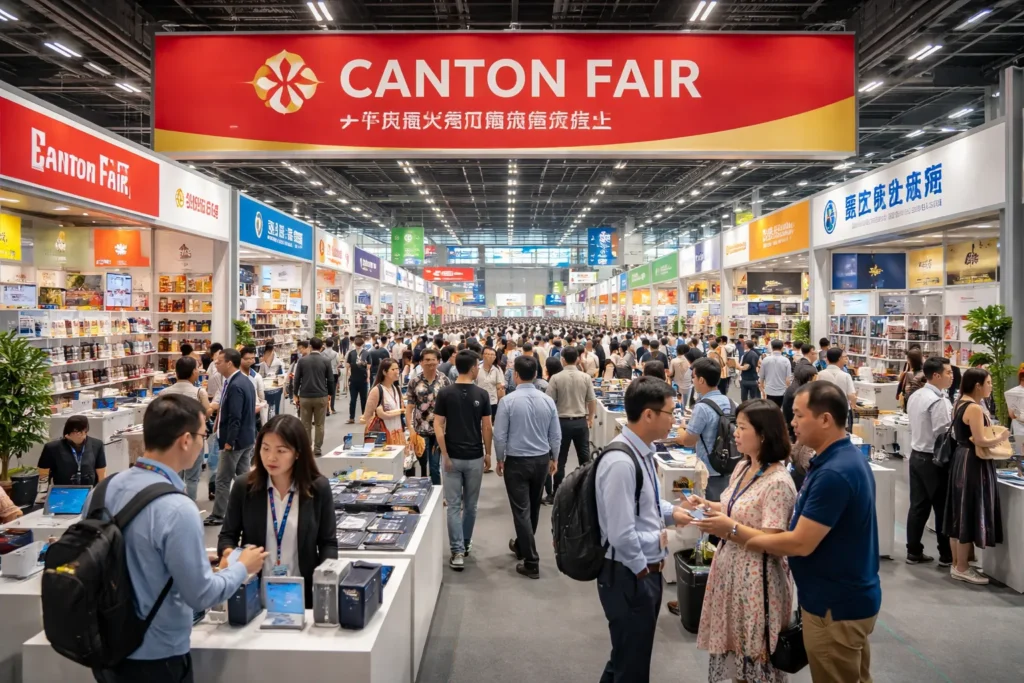
Canton Fair 2026: The Definitive Guide for Brazilian Buyers

World Environment Day: The Urgency of Conservation and China’s Role in Global Decarbonization
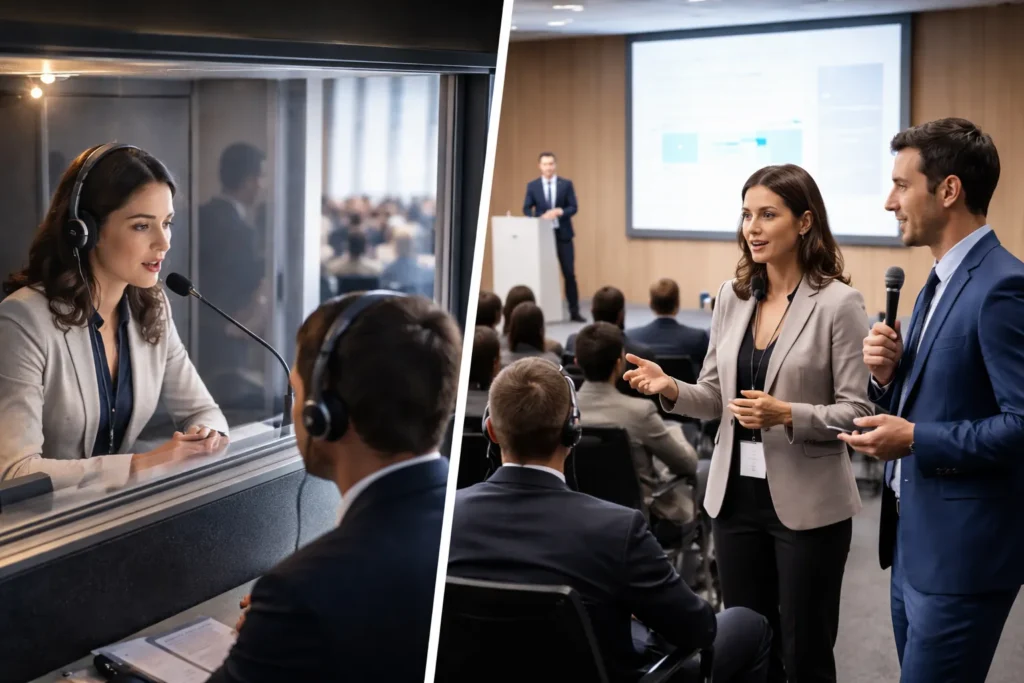
Simultaneous or Consecutive Interpretation: Which Is Best for Your Event?

How Much Does Simultaneous Interpretation Cost: A Complete Guide for Events
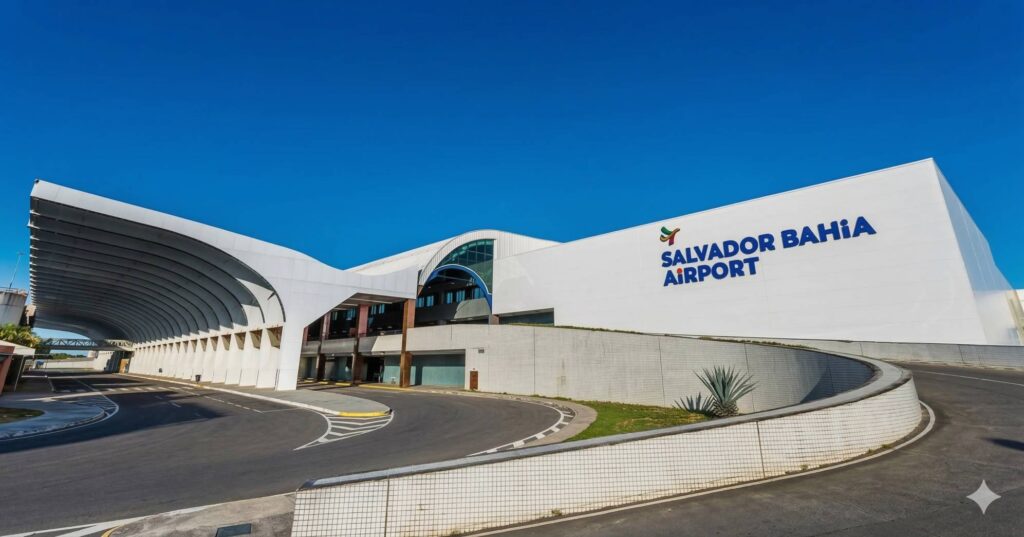
VINCI Airports: Interpretation and Translation Services for the Salvador Airport Transition